Poinsettias: A Symbol of Celebration and Goodwill
With their vibrant red colour and striking star-like shape, poinsettias are among the most recognisable Christmas plants.
Originally from Mexico, where they have a long association with Christmas celebrations, poinsettias are often linked with goodwill, joy and festive cheer. Their rich red colouring makes them a natural choice for traditional Christmas decorations.
Although they look like flowers, the colourful parts of a poinsettia are actually modified leaves known as bracts. The true flowers are the tiny yellow clusters at their centre.
What do different poinsettia colours mean?
-
Red poinsettias are associated with love, warmth and festive celebration.
-
White poinsettias can represent peace, purity and sincerity.
-
Pink poinsettias offer a softer expression of affection and appreciation.
Their distinctive appearance makes poinsettias a beautiful addition to festive homes and a thoughtful seasonal gift.
Christmas Roses: Hope in the Heart of Winter
Despite their name, Christmas roses aren't actually roses. Known botanically as Helleborus niger, these delicate winter-flowering plants produce elegant white blooms, sometimes touched with soft pink.
In traditional Christmas folklore, the Christmas rose is associated with hope, purity and comfort. Its ability to flower during the colder months makes it a particularly fitting symbol of light and beauty in winter.
With their understated appearance, Christmas roses bring a sense of calm to seasonal displays, particularly when paired with evergreen foliage.
Amaryllis: Strength, Beauty and Festive Elegance
Few winter flowers make quite the same impression as an amaryllis. Its tall stems and magnificent trumpet-shaped blooms bring effortless drama to a festive setting.
Amaryllis flowers are commonly associated with pride, strength and beauty. Their bold presence makes them especially well suited to Christmas arrangements and seasonal centrepieces.
Red amaryllis create a rich, traditional look, while white varieties offer something more serene and contemporary.
A beautifully arranged amaryllis can be a lovely way to express admiration or appreciation at Christmas.
Holly: Protection, Hope and Everlasting Life
With its glossy green leaves and bright red berries, holly has been used in winter celebrations for generations.
Long before many of today's Christmas traditions began, evergreen plants were valued for retaining their colour through the coldest part of the year. Holly came to represent protection, resilience and the promise of life returning in spring.
It also holds meaning in Christian tradition, where its prickly leaves and red berries have been associated with the crown of thorns and Christ's sacrifice.
Today, holly remains a much-loved part of Christmas wreaths, garlands and festive decorations.
Mistletoe: Love and Affection
Mistletoe has become one of Christmas's most romantic traditions, thanks to the familiar custom of sharing a kiss beneath its branches.
Recognisable by its delicate green leaves and white berries, mistletoe has been connected with folklore and winter celebrations for centuries.
Today, it is most often associated with love, affection and togetherness, making it a charming symbol of the relationships we celebrate at Christmas.
Ivy and Evergreen Foliage: Loyalty and Endurance
Evergreen foliage has a quiet significance at Christmas. Even when much of the natural world is resting, plants such as ivy retain their colour and vitality.
Traditionally, ivy has been associated with faithfulness, endurance and lasting connection. Alongside fir, pine and other evergreen foliage, it brings depth and texture to seasonal decorations.
In Christmas bouquets, rich green foliage also creates a beautiful contrast with red, white and burgundy flowers, capturing the familiar colours of the festive season.
What Do Traditional Christmas Flower Colours Symbolise?
The flowers themselves tell one story, but their colours can add another layer of meaning. Although interpretations vary across cultures and traditions, certain shades have become closely associated with Christmas.
Red Christmas Flowers: Love, Warmth and Celebration
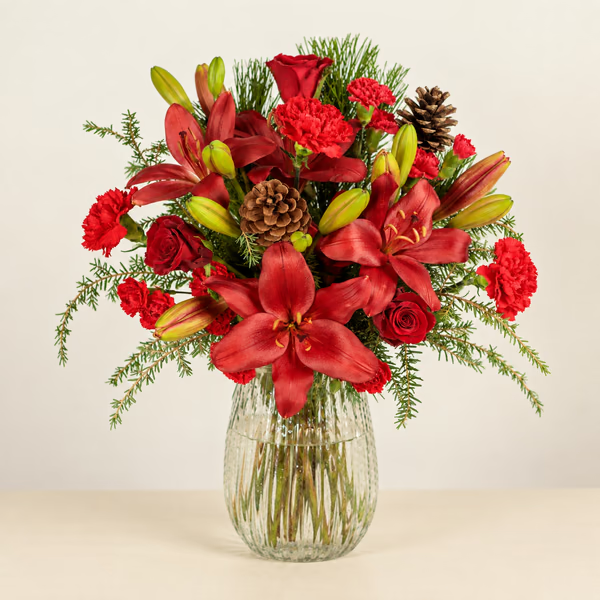
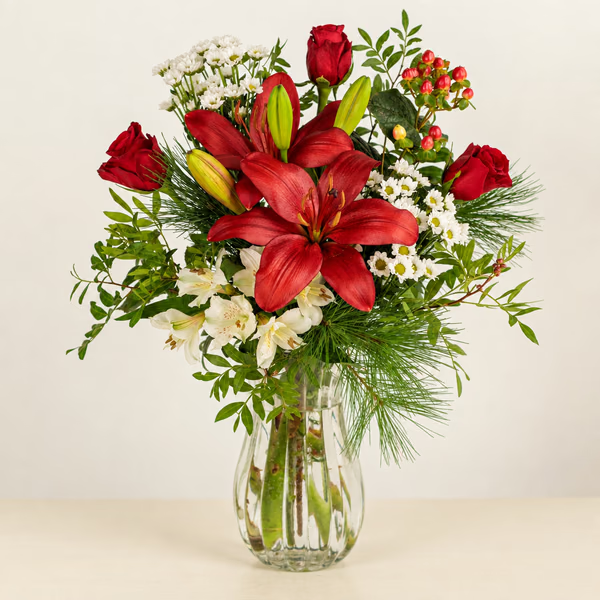
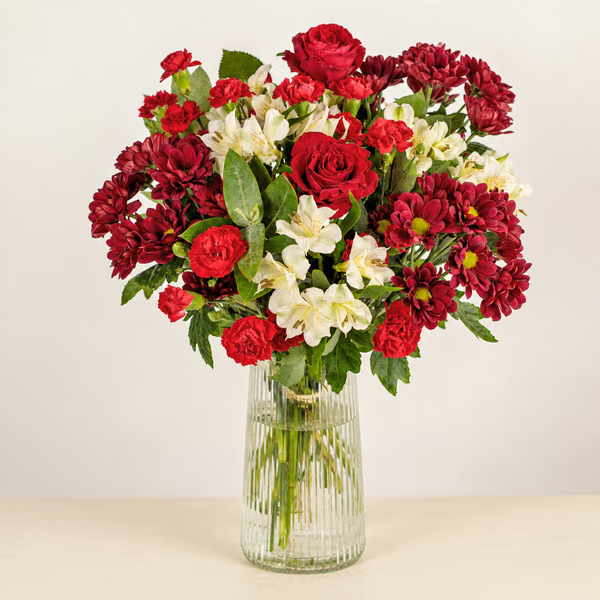
Red is perhaps the most recognisable Christmas colour. From poinsettias and amaryllis to red roses, it brings richness and warmth to festive arrangements.
In the language of flowers, red is commonly associated with love, affection and passion. At Christmas, it can also evoke the warmth of home, cherished traditions and joyful celebrations.
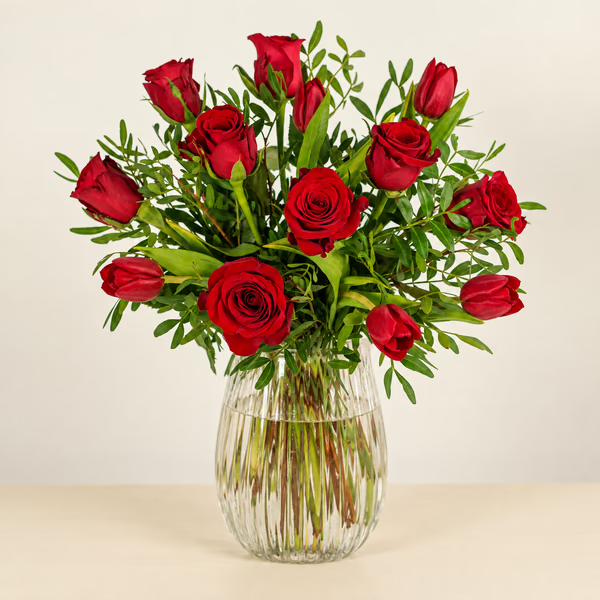
A bouquet featuring red roses or amaryllis makes a particularly thoughtful gift for a partner or someone close to your heart.
White Christmas Flowers: Peace, Purity and New Beginnings
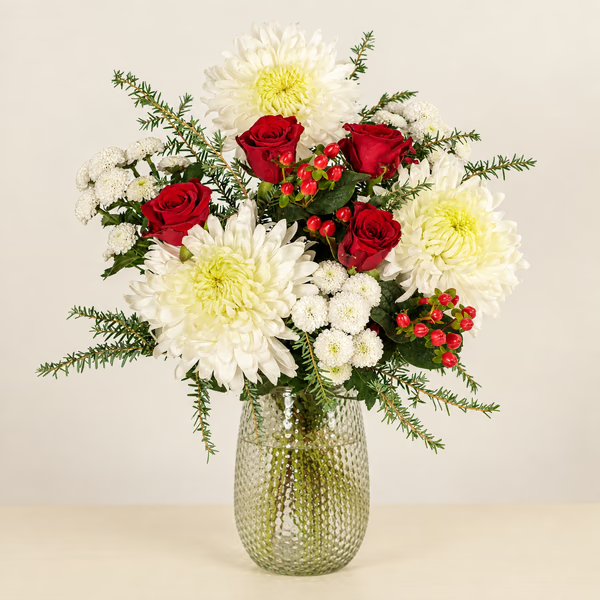
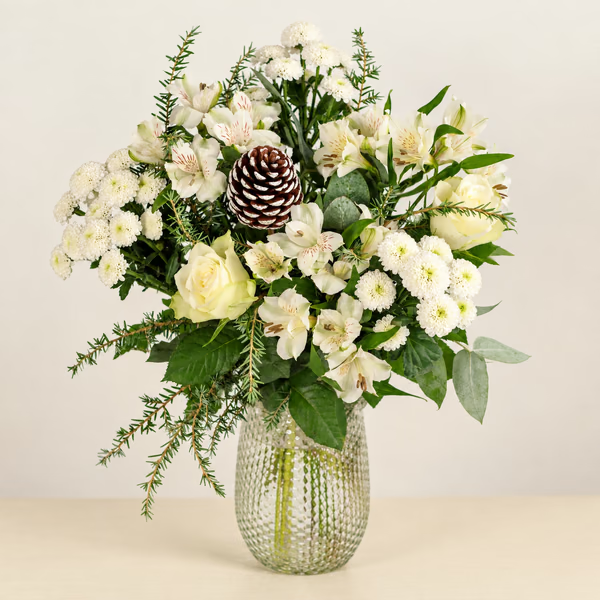
White flowers bring a sense of quiet elegance to Christmas. Christmas roses, white amaryllis and white roses are lovely examples of blooms that complement a winter-inspired arrangement.
Traditionally associated with peace, innocence and sincerity, white is also a fitting colour for expressing thoughtful wishes at the end of the year.
Paired with soft greenery, white Christmas flowers create a timeless arrangement that feels both festive and beautifully understated.
Green Christmas Foliage: Hope, Renewal and Lasting Connections
From fir branches to glossy holly leaves, green is at the heart of Christmas decorating.
Because evergreen plants retain their colour throughout winter, green has long been associated with endurance, renewal and the promise of brighter days ahead.
In festive bouquets, foliage provides more than a finishing touch. Its natural shades create balance, texture and a sense of freshness.
Gold and Warm Seasonal Tones: Joy and Abundance
Although gold isn't a natural flower colour in most traditional Christmas arrangements, it has become a familiar part of festive styling.
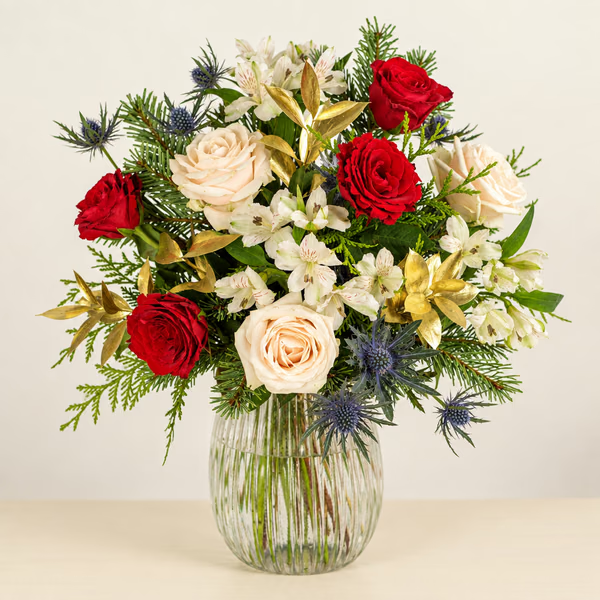
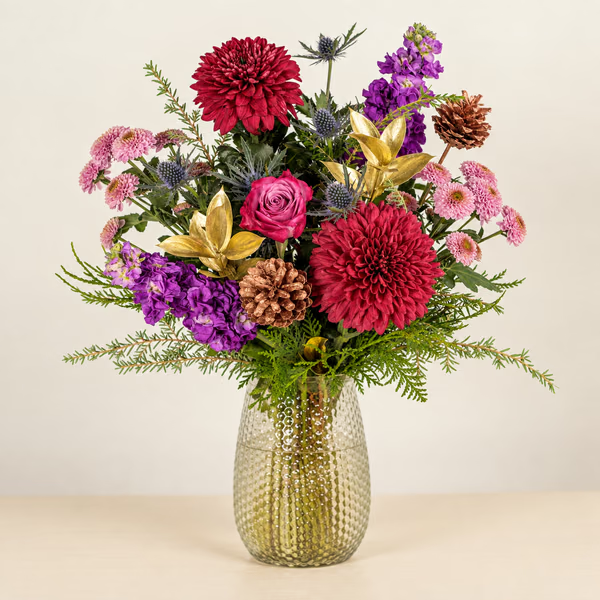
Gold is often associated with warmth, generosity and celebration. Combined with deep red flowers, it creates a rich, traditional Christmas palette, while subtle gold accents alongside white blooms can feel especially elegant.
Soft peach, cream and champagne tones offer a gentler interpretation of festive warmth.
Pink Christmas Flowers: Affection and Appreciation
For a softer alternative to traditional red, pink flowers offer a lovely way to express affection, gratitude and admiration.
Blush roses, pink amaryllis and delicate seasonal accents can create a Christmas bouquet with a romantic yet understated feel.
They're particularly well suited to thoughtful gifts for friends and loved ones, especially when you want something festive without a traditional red-and-green colour scheme.